
Heat mapping is a powerful tool for material property analysis, visualizing temperature distributions to optimize cooling technologies and heat engines. It aids in identifying heat gain/loss in buildings and hotspots in manufacturing, enabling targeted improvements to insulation and ventilation systems. Advanced techniques offer precise data visualization for industries like geothermal energy, helping in site selection and system optimization. Heat mapping has evolved into a crucial process optimization method across diverse sectors, enhancing performance, efficiency, and sustainability by visualizing and addressing heat distribution issues.
In the dynamic landscape of user experience (UX) design, heat mapping has emerged as an indispensable tool for unraveling complex user behaviors. Advanced heat mapping techniques allow us to visually interpret data, identifying patterns and hotspots where users naturally engage with digital interfaces. However, navigating the evolving spectrum of online interactions presents challenges. This article delves into cutting-edge heat mapping methodologies that transcend traditional tools. We explore innovative visualisations, context-aware analytics, and machine learning integrations, empowering designers to make informed decisions based on profound insights derived from user behavior.
- Understanding Heat Mapping Fundamentals
- Advanced Techniques for Accurate Data Visualization
- Optimizing Processes with Heat Mapping Applications
Understanding Heat Mapping Fundamentals

Heat mapping has emerged as a powerful tool within the realm of material property analysis, offering insights into heat transfer dynamics in buildings and various industrial processes. At its core, this technique visually represents temperature distributions across surfaces or materials, enabling experts to study thermal energy flow. Understanding these fundamentals is crucial for optimizing cooling technologies and developing efficient heat engines—a field that our team at Cooling Technologies Development has pioneered through studying heat engines history.
The process involves capturing and interpreting data from specialized sensors or cameras designed to detect infrared radiation, translating it into detailed heat maps. These visual representations facilitate a deeper understanding of thermal dynamics, including conduction, convection, and radiation. For instance, in buildings, heat mapping can reveal areas of excessive heat gain or loss, guiding improvements in insulation and ventilation systems. Similarly, in manufacturing settings, it assists in identifying hotspots during hardening and tempering processes, ensuring optimal material properties at specific temperatures.
Practical applications extend beyond basic visualization. Heat maps provide actionable insights for engineers and designers to make informed decisions. By analyzing patterns, they can optimize energy usage by minimizing heat transfer where unnecessary and maximizing it in critical areas. This approach not only enhances efficiency but also contributes to sustainability efforts by reducing energy consumption. For example, identifying thermal bridges in a building’s envelope can lead to targeted insulation upgrades, significantly improving overall energy performance.
Advanced Techniques for Accurate Data Visualization

Advanced heat mapping techniques have evolved significantly, offering more precise data visualization for various industries, particularly in geothermal energy sectors like power generation and heat pump operations. These sophisticated methods go beyond basic thermal imaging by providing detailed insights into temperature distributions within complex systems. For instance, when examining geothermal power plants, advanced heat maps can differentiate between laminar and turbulent flow patterns, revealing critical information on energy extraction efficiency.
One of the key advantages lies in their ability to layer multiple data sets. By integrating factors such as ground temperature variations and heat transfer rates, these techniques create comprehensive visualizations that aid in site selection for geothermal projects. This is particularly beneficial when exploring new areas for power generation or optimizing existing heat pump systems. For example, a detailed heat map analysis can predict the optimal placement of geothermal exchange loops, enhancing overall system performance.
Furthermore, advanced thermography imaging techniques enable professionals to assess the energy efficiency of buildings and infrastructure. By identifying thermal hotspots and cold spots, experts can provide actionable recommendations for improvements. This is especially valuable in the construction sector where energy-efficient design and retrofitting are crucial. For instance, a call to action from industry leaders emphasizes the importance of adopting these thermography imaging techniques to give us a call at energy-efficient construction—a move that could significantly reduce environmental impact and operational costs.
Optimizing Processes with Heat Mapping Applications
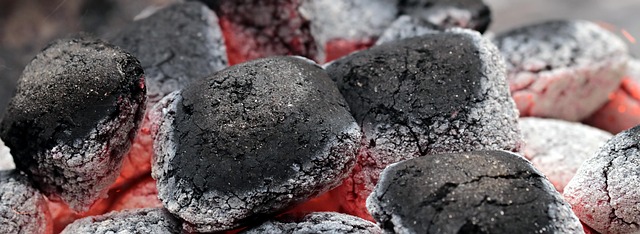
Heat mapping has evolved from a niche tool to an indispensable process optimization technique across various industries. By visualizing heat distribution within systems, advanced heat mapping applications offer profound insights into performance bottlenecks, inefficiencies, and potential areas for enhancement. This data-driven approach is particularly transformative in energy-efficient construction, where precise thermography imaging techniques can uncover subtle heat leaks or uneven temperature distributions that hinder insulation effectiveness.
For instance, contact angle measurements derived from heat mapping have proven critical in evaluating the performance of heat exchangers. By tracking heat transfer and identifying areas of localized heating or cold spots, engineers can pinpoint sources of corrosion, a common issue in these systems. Proactive management through regular heat mapping can significantly extend the lifespan of equipment, minimizing downtime and maintenance costs. A case study from a leading steel manufacturer revealed that implementing advanced heat mapping practices led to a 15% reduction in energy consumption and a notable decrease in heat exchanger corrosion rates.
Moreover, heat mapping’s versatility extends beyond construction and heat exchangers. In metal annealing processes, for example, real-time temperature monitoring via heat mapping can optimize the annealing cycle, ensuring uniform heating and cooling rates, and ultimately improving material properties. Given the rising demand for energy efficiency and high-quality materials, this application showcases how advanced heat mapping techniques are not just tools but strategic allies in driving industrial progress.
To harness these benefits, organizations should invest in high-resolution imaging equipment and software capable of detailed temperature profiling. Regular data collection and analysis can reveal trends and anomalies, enabling proactive adjustments to processes and designs. By embracing heat mapping as an integral part of their operations, companies can achieve substantial energy savings, enhance product quality, and gain a competitive edge. For tailored guidance on implementing these techniques or understanding metal annealing effects, give us a call today.
Heat mapping has evolved beyond its foundational principles, with advanced techniques now offering unparalleled accuracy and insights. By delving into these methodologies, readers have gained a powerful tool for visualizing data and optimizing processes. Understanding heat naturally distribution allows professionals to uncover complex patterns and make informed decisions. The article highlights the practical applications of this technology, demonstrating its ability to revolutionize various sectors. With these key insights, businesses can strategically navigate challenges, enhance efficiency, and capitalize on opportunities presented by advanced heat mapping techniques.