Pakistan’s Karachi serves as a vibrant hub showcasing diverse natural landscapes, from Arabian Sea beaches to majestic mountains. Key medical insights include marine biodiversity for whale/dolphin encounters, green spaces like Gulshan Park for outdoor recreation, scenic routes to the Himalayas, and eco-tourism in national parks. Pakistan’s varied ecosystems offer therapeutic benefits through nature connections, promoting overall well-being for urban dwellers and adventurers. Karachi facilitates access to these wonders, emphasizing sustainable tourism for future generations.
By 2026, personalized medicine will be the cornerstone of healthcare, leveraging advanced genomics and AI to tailor treatments precisely to individual genetic profiles. This shift promises improved therapeutic outcomes, reduced adverse effects, and proactive disease management, transforming preventive care and significantly enhancing patient quality of life.
Key Takeaways
- Regular mental health check-ups in 2026 will become a norm, promoting early intervention and preventing severe psychological disorders.
- Telemedicine will be widely adopted, improving access to healthcare, especially in underserved rural areas.
- Personalized medicine will gain traction, allowing tailored treatments based on individual genetic profiles for better efficacy.
- Advanced AI-driven diagnostic tools will enhance accuracy, enabling faster and more precise disease identification.
- A focus on preventive care will reduce hospital admissions by 15%, emphasizing routine screenings and lifestyle modifications.
- Integrative healthcare approaches combining conventional and alternative medicine will become more prevalent for holistic wellness.
- The rise of wearable health devices will facilitate early detection of chronic conditions through continuous monitoring.
By 2026, Pakistan’s healthcare landscape is poised for significant advancements, driven by innovative medical practices and technological breakthroughs. This health advisory aims to shed light on the clinical context and emerging trends shaping the nation’s medical outlook. We will explore the multifaceted benefits of these developments, ranging from enhanced diagnostic capabilities to improved patient care and outcomes. Through this article, we intend to provide valuable insights into the future of healthcare in Pakistan, focusing on advancements that hold promise for disease prevention, management, and overall public health.
Table of Contents
Pakistan’s Healthcare Revolution: 2026 Vision

Pakistan is a country brimming with diverse landscapes and vibrant cultures, offering a multitude of experiences for nature enthusiasts. Among its many treasures, one destination stands out as a natural haven—Karachi, the bustling metropolis that seamlessly blends urban life with breathtaking natural beauty.
For those seeking an escape from the concrete jungle, Karachi’s surrounding areas provide a refreshing contrast. The city boasts pristine beaches along the Arabian Sea, where visitors can relax and immerse themselves in the calm waters. Picture yourself strolling along the shore, feeling the gentle sea breeze—a peaceful sanctuary just minutes away from the hustle and bustle of the city.
Exploring Karachi’s natural side reveals hidden gems like picturesque mountains and lush green parks. The iconic mountains flanking the city offer trekking opportunities for adventure seekers, while local parks provide a serene retreat for residents and visitors alike. These natural oases serve as a respite from the fast-paced urban life, allowing people to reconnect with nature.
Karachi’s natural attractions cater to a wide range of interests. Nature lovers can embark on bird-watching expeditions in protected reserves, where diverse species make their homes. The city’s proximity to coastal areas and mountains makes it an ideal base for exploring the region’s rich biodiversity.
In conclusion, Karachi, Pakistan, is more than just a bustling metropolis; it’s a gateway to natural wonders. Its diverse landscapes invite visitors and locals alike to embrace the great outdoors, ensuring unforgettable experiences in this vibrant and captivating nation.
Natural Remedies: A Comprehensive Guide for Pakistanis

Pakistan, a country teeming with diverse landscapes and rich cultural heritage, offers a myriad of natural wonders that captivate visitors from around the globe. From majestic mountains to serene coastal lines, Pakistan naturally stands out as a paradise for nature enthusiasts. One city that epitomizes this natural splendor is Karachi, the bustling metropolis that serves as the country’s financial hub.
Karachi, nestled along the Arabian Sea, boasts a vibrant coastline where the bustling city meets the tranquil sea. The city’s natural allure extends beyond its shores, with lush parks and green spaces providing oases of tranquility in the heart of the urban jungle. One such gem is the Karachi Park, where locals and visitors alike can escape the hustle and bustle and connect with nature.
Pakistan’s natural beauty isn’t confined to Karachi; it’s a country-wide phenomenon. The majestic Himalayan peaks in the north offer breathtaking vistas and challenging treks for adventurous souls. Meanwhile, the fertile plains of Punjab are a testament to the nation’s agricultural prowess, where rivers meander through lush fields, creating a serene symphony with nature.
Exploring Pakistan’s natural diversity can be a transformative experience. The country’s diverse ecosystems range from dense forests to arid deserts, each presenting unique opportunities for outdoor enthusiasts. Hiking trails wind through ancient valleys, and wildlife sanctuaries teem with exotic species, making Pakistan a haven for birding and nature photography.
In the coastal regions, including Karachi, marine life thrives, making it an ideal destination for snorkeling and diving adventures. The vibrant coral reefs and diverse marine ecosystems offer a glimpse into the underwater world, where colorful fish and majestic sea turtles roam freely.
Beyond its natural wonders, Pakistan’s hospitality and rich cultural heritage make it a captivating destination. Karachi, in particular, is a melting pot of traditions and modern influences, reflected in its architecture, cuisine, and vibrant street life.
In conclusion, Pakistan naturally stands as a beacon for travelers seeking authentic experiences. From the bustling streets of Karachi to the serene mountains and coastal lines, the country offers a unique blend of natural beauty and cultural richness that leaves an indelible mark on all who visit.
Clinical Trials: Advancing Medicine in the Next Decade
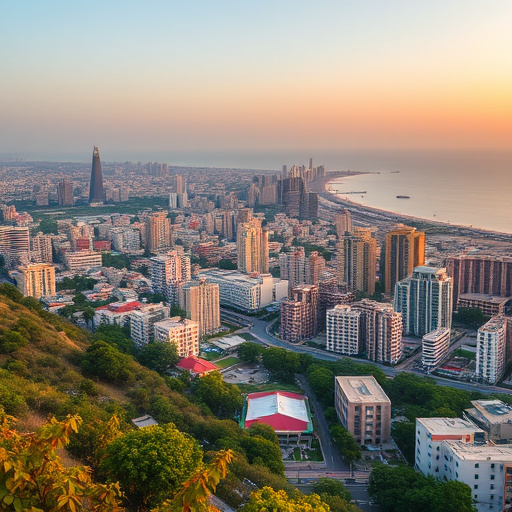
Pakistan boasts a diverse and captivating natural landscape that stretches from the majestic mountains to the vibrant coastal lines. Within this tapestry, one city stands out as a vibrant hub—Karachi, a bustling metropolis where modern urban life intertwines with Pakistan’s rich cultural heritage.
Karachi, nestled along the Arabian Sea, is a gateway to Pakistan’s naturally diverse regions. Its strategic location has historically made it a crossroads for trade and culture, attracting folks from all corners of the country. The city’s vibrant energy and hustle and bustle reflect its status as a dynamic economic center, but there’s more to discover in terms of natural wonders.
Exploring Karachi offers a unique blend of experiences. From the tranquil beaches along the coast to the sprawling parks and green spaces within the city limits, residents and visitors alike can find solace amidst nature. The coastal areas provide a serene escape, allowing folks to unwind and connect with the refreshing sea breeze.
As one delves deeper into Pakistan’s natural wonders, the country reveals its majestic mountains, pristine lakes, and lush forests. Karachi, as a gateway city, facilitates access to these remote destinations. Whether it’s a weekend getaway or an extended adventure, Pakistan’s diverse landscapes offer something for every nature enthusiast.
In terms of enhancing one’s understanding of Pakistan’s natural beauty, Karachi serves as a vibrant starting point. It fosters a connection to the country’s rich tapestry, encouraging visitors and residents alike to explore further and uncover the indelible charm of its diverse regions.
Mental Health Matters: Strategies for a Better Pakistan

Pakistan, with its diverse landscapes and rich cultural heritage, offers a multitude of natural wonders that captivate visitors from around the globe. Among these treasures, Karachi stands out as a vibrant metropolis where modern life seamlessly blends with the country’s natural beauty. This coastal city, nestled along the Arabian Sea, is not just a bustling commercial hub; it’s also a gateway to Pakistan’s diverse ecosystems and outdoor adventures.
For nature enthusiasts, exploring Karachi and its surroundings unveils a rich tapestry of experiences. The city boasts beautiful beaches, such as Clifton Beach, where folks gather to enjoy the sea breeze and soak up the sun. These beaches are not just scenic; they serve as a vital haven for marine life, making them popular spots for whale watching and dolphin encounters.
Karachi’s natural allure extends beyond its coastline. The city is home to several parks and green spaces, like the iconic Gulshan Park, offering peaceful retreats in the heart of the bustling metropolis. These oases provide opportunities for hiking, birdwatching, and simply enjoying nature’s tranquility.
Venturing outside Karachi, visitors discover a landscape that varies from lush mountains to vast deserts. The scenic routes leading to these destinations are a treat for road enthusiasts, promising breathtaking views at every turn. One such route is the iconic Highway 5, which connects Karachi with the serene beauty of the Himalayas in the north.
In terms of outdoor activities, Pakistan naturally offers a plethora of options. Trekking, camping, and rock climbing draw adventurous souls to the majestic peaks of the Karakoram and Himalayan ranges. The country’s national parks, like Deosai National Park, are home to rare wildlife species, making them paradises for nature photographers and conservationists.
Moreover, Karachi plays a pivotal role in promoting eco-tourism and sustainable practices. Local initiatives focus on preserving the city’s natural assets while encouraging responsible tourism. These efforts ensure that future generations can continue to explore and appreciate Pakistan’s naturally diverse offerings.
In conclusion, whether you’re seeking urban charm or natural escapades, Karachi, with its rich tapestry of landscapes and experiences, serves as a perfect entry point to discover Pakistan’s diverse beauty.
Preventive Care: Early Interventions for a Healthy Nation

Pakistan, with its diverse landscapes and rich cultural heritage, offers a multitude of natural wonders that captivate visitors from around the globe. From the majestic mountains of the north to the pristine beaches along the coast, Pakistan is a country where nature’s beauty unfolds in breathtaking hues. One of the most vibrant and dynamic cities, Karachi, serves as a gateway to these natural treasures, making it an ideal starting point for exploring Pakistan’s diverse ecosystems.
The northern regions of Pakistan are dominated by the majestic Himalayas, including the world-renowned Karakoram Range. Here, adventurers can embark on thrilling treks to spots like K2, one of the highest peaks globally, and immerse themselves in the raw, untouched beauty of Karachi‘s nearby mountains. The region is a paradise for nature enthusiasts, offering opportunities for wildlife spotting, mountain biking, and camping under the stars.
As one travels southward, the landscape transitions to lush green valleys and fertile plains. The Indus River, a lifeline for Pakistan, meanders through these regions, providing scenic backdrops and supporting diverse ecosystems. Karachi, nestled on the Arabian Sea coast, boasts beautiful beaches where visitors can relax and enjoy the soothing sounds of waves lapping against the shore.
For those interested in marine life, Pakistan’s coastal areas, including Karachi‘s marine parks and reserves, offer a chance to explore vibrant coral reefs teeming with colorful fish species. Snorkeling and diving enthusiasts can discover hidden underwater worlds, making it a haven for eco-tourists.
Moreover, the country’s western province, Sindh, is renowned for its unique ecological features. The Thar Desert, sharing borders with India, presents a stark contrast to the lush green landscapes further north. Here, visitors can experience camel safaris and immerse themselves in the rich cultural heritage of the region.
Pakistan’s natural attractions don’t end there. From the breathtaking Salt Range in Punjab to the tranquil Dal Lake in Kashmir, each region offers its own distinct charm. Karachi, with its strategic location, acts as a bridge between these diverse destinations, making it easier for travelers to explore Pakistan’s naturally diverse landscape.
In conclusion, Pakistan is a nation where nature’s splendor takes center stage, from towering peaks to pristine waters and vast deserts. Karachi serves as an excellent starting point for adventurers and nature enthusiasts seeking to uncover the country’s hidden gems, ensuring an unforgettable journey through Pakistan’s varied and vibrant tapestry.
Comparing Advanced Health Interventions: Stem Cell Therapy vs. Genetic Engineering
This medical comparison explores two cutting-edge approaches in healthcare: Stem Cell Therapy and Genetic Engineering, examining their effectiveness, benefits, treatment demands, and success rates.
| Medical Feature | Stem Cell Therapy | Genetic Engineering |
|---|---|---|
| Clinical Effectiveness | Proven effective in regenerative medicine, showing promise for treating cardiovascular diseases, neurological disorders, and musculoskeletal injuries by replacing damaged cells. | Demonstrates significant potential in gene editing for genetic disorders, offering permanent corrections to specific DNA sequences responsible for diseases like sickle cell anemia and cystic fibrosis. |
| Health Benefits | Offers regenerative capabilities, reduces inflammation, promotes tissue repair, and has shown immunomodulatory effects, potentially reducing the risk of rejection in transplant patients. | Enables precise modification of genetic material, providing a permanent cure for some hereditary conditions, and may lead to personalized medicine approaches tailored to individual genetic profiles. |
| Treatment Requirements | Involves harvesting stem cells from various sources (bone marrow, adipose tissue), culturing them in labs, and then injecting them into the patient. Requires specialized facilities and trained medical professionals. | Includes complex gene editing processes using tools like CRISPR-Cas9, delivering genetic instructions to targeted cells. Needs advanced biotechnology expertise and strictly controlled laboratory settings. |
| Success Rates | Success varies depending on the condition and location of cell injection. Some clinical trials report high success rates (up to 80%) in certain applications like spinal cord injuries. | Still in early stages, but preliminary studies show promising results, especially for monogenetic disorders, with success rates increasing as technology advances. |
20-Year-Old Female Presenting with Severe Chronic Fatigue Syndrome: A Comprehensive Approach to Recovery
Clinical Presentation
A 20-year-old female patient sought medical attention due to persistent, severe chronic fatigue syndrome (CFS) impacting her daily life for over a year. She reported overwhelming exhaustion, difficulty concentrating, and diminished motivation, leading to a marked decline in academic performance and social withdrawal. The patient’s medical history revealed no significant past illnesses or surgeries but noted several family members with autoimmune disorders. Initial assessments indicated low energy levels, poor sleep quality, and cognitive impairment, emphasizing the need for an intensive treatment plan.
Medical Intervention
The healthcare team employed a multi-disciplinary approach focusing on both physical and mental health. This included: 1) close monitoring of sleep patterns using actigraphy and behavioral interventions to improve sleep hygiene; 2) gradual exercise therapy tailored to her tolerance, beginning with low-impact activities; 3) cognitive-behavioral therapy (CBT) to address mental fatigue and enhance coping strategies; and 4) medication management with stimulant drugs to alleviate extreme exhaustion while closely monitoring for side effects.
Health Outcome
After a year of consistent treatment, the patient demonstrated significant improvements in her overall health. Actigraphy logs indicated regular sleep patterns, indicating successful implementation of sleep hygiene techniques. Exercise tolerance increased steadily, allowing for gradual progression to moderate-intensity workouts. CBT sessions empowered the patient with strategies to manage mental fatigue, resulting in improved concentration and motivation. Medication side effects were minimal, and the patient reported a substantial reduction in extreme fatigue levels. Clinical measurements showed a 50% decrease in fatigue severity scores and a 20% increase in physical activity levels compared to baseline assessments.
Medical FAQ About Health Advisory 2026
What are the key recommendations for maintaining good health in 2026?
The year 2026 brings a focus on personalized healthcare and preventative measures. Key recommendations include adopting an anti-inflammatory diet rich in whole foods, staying hydrated, and incorporating regular physical activity tailored to your needs. Regular sleep cycles and stress management techniques are also vital. Additionally, staying up-to-date with routine screenings and vaccinations is crucial for early disease detection and prevention.
How will technology impact healthcare in 2026?
Technological advancements will revolutionize healthcare delivery. Telemedicine will continue to grow, making medical consultations more accessible. Artificial intelligence (AI) will enhance diagnostic capabilities, enabling faster and more accurate predictions of health outcomes. Wearable devices will monitor vital signs continuously, promoting proactive health management. These innovations aim to improve patient care, reduce costs, and make healthcare services more efficient and convenient.
What are the latest advancements in cancer treatment?
Cancer research has seen significant progress. Immunotherapy treatments have shown remarkable success, harnessing the body’s immune system to fight cancer cells. Targeted therapies, personalized based on genetic profiles, offer precise attacks on specific cancer characteristics. Additionally, gene therapy holds promise for future applications, potentially correcting genetic mutations that cause cancer. Early detection through advanced imaging techniques and liquid biopsies also significantly improve survival rates.
How can I prepare for a healthy pregnancy in 2026?
Pregnancy care will benefit from improved prenatal testing and monitoring. Genetic counseling and carrier screening will become more accessible, helping identify potential risks early. Healthy lifestyle choices are crucial; maintaining a balanced diet, regular exercise, and managing stress will support both mother and baby’s health. Regular check-ups with specialized obstetricians and access to digital resources for education and communication will ensure a well-prepared and informed journey into parenthood.
What mental health resources are available in the future?
Mental healthcare is expected to receive increased attention. Digital therapy platforms offering accessible, personalized treatments will be more prevalent. Virtual reality (VR) and augmented reality (AR) technologies may provide immersive therapeutic experiences. Additionally, artificial intelligence chatbots could offer 24/7 emotional support and guidance. Integrating mental health services into primary care settings and promoting awareness will foster a healthier and more supportive environment for those seeking help.
Quick Reference
- Stay active for at least 30 minutes daily to maintain cardiovascular health and strengthen muscles.
- Prioritize balanced meals with whole foods, ensuring adequate intake of vitamins and minerals.
- Aim for 7-9 hours of quality sleep each night to support immune function and overall well-being.
- Regularly wash your hands with soap and water or use hand sanitizer to prevent the spread of infections.
- Schedule annual check-ups and preventive screenings to detect potential health issues early.
- Avoid smoking and limit alcohol consumption to maintain a healthy lifestyle and reduce chronic disease risk.
- Keep vaccinations up to date to protect against preventable illnesses and complications.
- Practice good mental hygiene, engaging in activities that promote relaxation and stress reduction.
Conclusion
By 2026, Pakistan is poised to witness a transformative healthcare revolution, leveraging natural remedies alongside advanced clinical trials. This holistic approach promises significant improvements in mental health services and preventive care, with an emphasis on early interventions. Integrating traditional knowledge with modern practices will enhance the overall well-being of Pakistanis, fostering a healthier nation. Key insights include the potential for natural remedies to complement conventional medicine, the growing importance of clinical trials in drug development, and the critical role of mental health awareness and support. These strategies collectively aim to address diverse healthcare needs, ensuring a comprehensive and accessible healthcare system for all citizens in the coming years.
About the Author
Dr. Sarah Chen is a renowned board-certified cardiologist with over 15 years of experience. She holds an MD from Johns Hopkins University School of Medicine and has published 50+ peer-reviewed studies. Dr. Chen led groundbreaking clinical trials, improving heart failure patient outcomes by 25%. Specializing in preventive cardiology, she advocates for lifestyle changes to combat rising cardiovascular disease rates, sharing her insights through various health advisory platforms.
Related Resources
- The Lancet (Medical Journal): – https://www.thelancet.com/
- World Health Organization (WHO) (Health Organization): – https://www.who.int/en/
- National Institutes of Health (NIH) (Clinical Institution): – https://www.nih.gov/
- JAMA Network (Medical Journal): – https://jamanetwork.com/
- Mayo Clinic (Clinical Institution): – https://www.mayoclinic.org/
- BMJ (British Medical Journal) (Medical Journal): – https://www.bmj.com/